Keeping care human in an age of automation
15 June 2026 | By FutureHealth.mu | Updated 17 June 2026
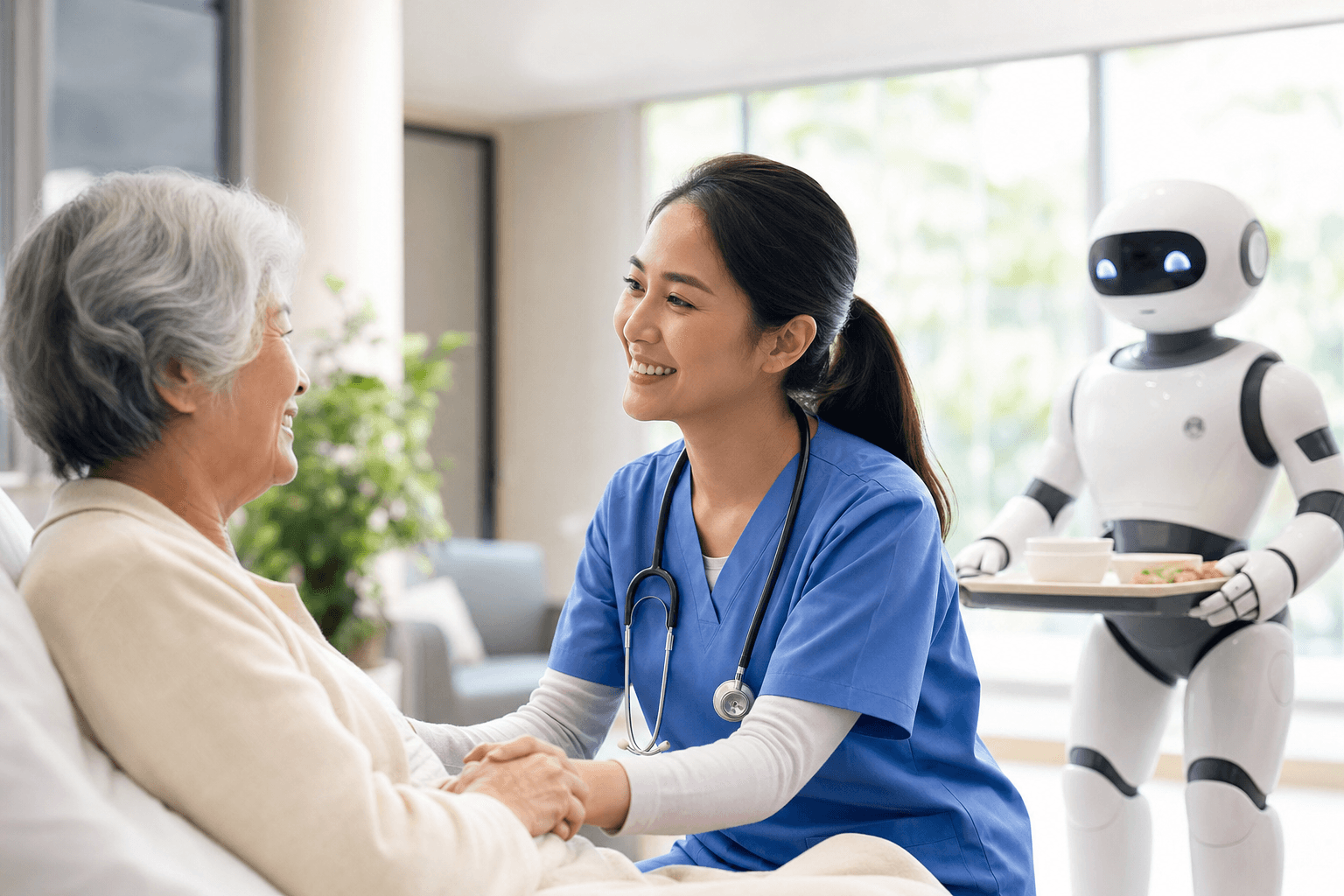
As artificial intelligence, robotics and digital tools spread through healthcare, it is easy to assume that the human element will gradually fade. The opposite may be true. The more that machines take on, the more the distinctly human parts of care, such as empathy, trust, judgement and time, stand out as essential. Keeping care human is not nostalgia. It is a practical requirement for medicine that genuinely helps people.
What technology does well
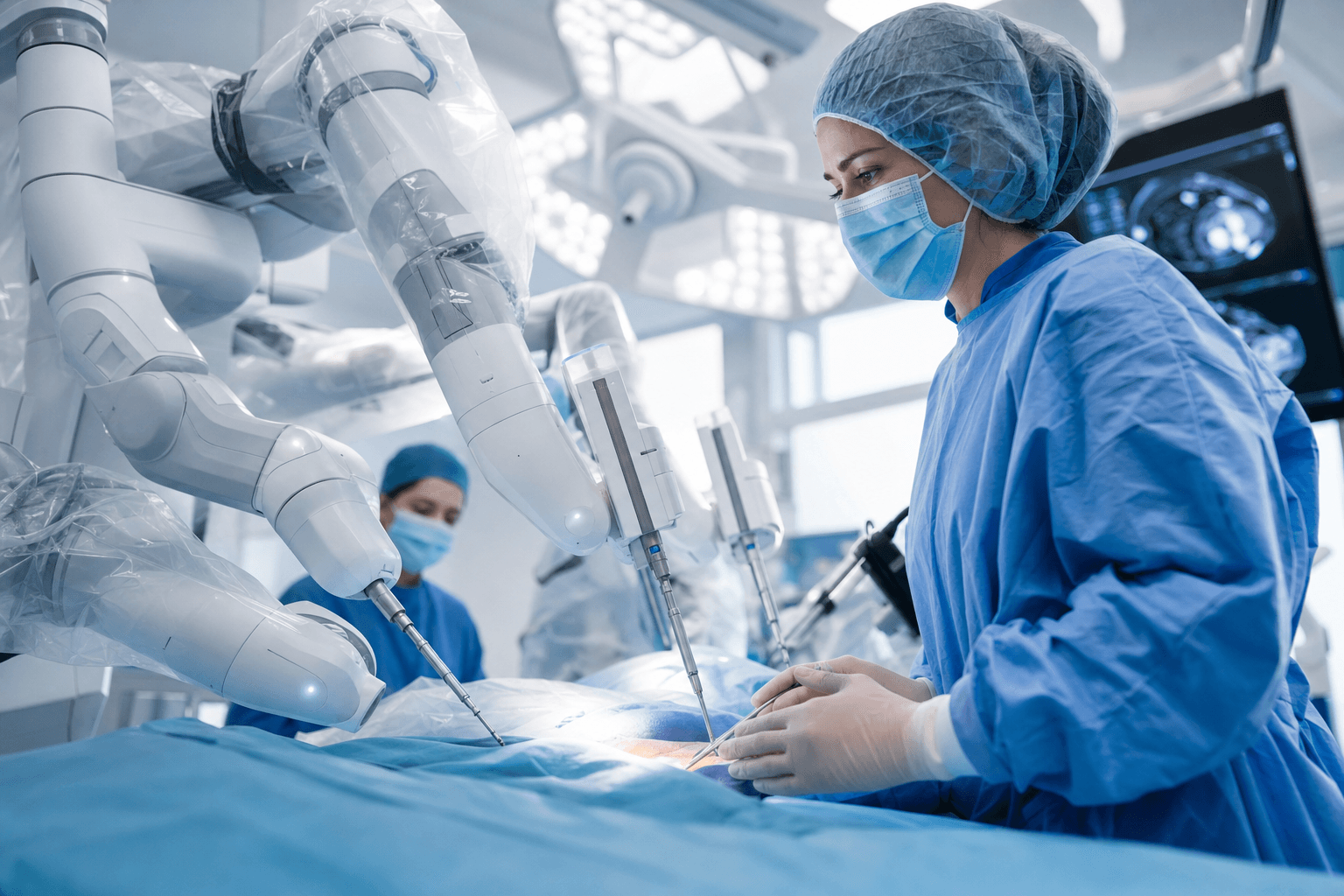
There is no doubt that automation can improve healthcare. Software can scan thousands of images for patterns a tired eye might miss. Systems can handle scheduling and paperwork, freeing staff for more valuable work. Wearable devices can monitor a heart rhythm around the clock. These are real gains, and used well they can make care safer and more efficient.
The key phrase is used well. Technology is a tool, and its value depends entirely on how it serves people.
What technology cannot replace
Medicine is not only about data and decisions. A frightened patient needs reassurance. A grieving family needs presence. A complex case needs the kind of judgement that weighs not just test results but a person's values, fears and circumstances. These are human capacities, and no current technology comes close to replacing them.
Trust is at the centre of this. People share sensitive information, accept difficult advice and follow demanding treatment plans largely because they trust the person guiding them. That trust is built through listening, honesty and continuity, none of which can be automated.
The risk of losing the human touch
There is a genuine danger that, in chasing efficiency, health systems make care feel impersonal. If clinicians spend their time looking at screens rather than at patients, something important is lost. If decisions are handed to algorithms without explanation, people can feel processed rather than cared for. Recognising this risk is the first step to avoiding it.
Designing technology that supports care
The goal should be technology that gives time back to people, rather than taking it away. When automation handles routine tasks, clinicians can spend more of their attention on conversation and connection. When AI flags a concern, a human should explain what it means in plain language. When data is collected, patients should understand why and feel in control of it.
Good design keeps a person responsible for decisions that affect a person. This is sometimes called keeping a human in the loop, and it matters most precisely when stakes are high.
The patient's part
You can help keep your own care human. Ask questions until you understand. Share what matters to you, not just your symptoms. If a recommendation comes from a test or a tool, ask your clinician to explain it in everyday terms. Good professionals welcome this, because medicine works best as a partnership.
If something about your care feels rushed or impersonal, it is reasonable to say so, or to seek a clinician you feel comfortable with. Feeling heard is not a luxury. It is part of effective care.
A future worth building
The future of health does not have to choose between technology and humanity. The best version combines them: powerful tools handling what they do well, and people providing what only people can. In Mauritius and everywhere else, the measure of progress is not how advanced our machines become, but whether patients feel safer, better understood and more cared for.
Automation will keep advancing. The challenge, and the opportunity, is to make sure that as it does, the heart of medicine stays exactly where it belongs, with people caring for people.
Tomorrow's healthcare supports a longer, healthier life. Explore the wider Medtech health ecosystem.