The future of health: five trends to watch
10 June 2026 | By FutureHealth.mu | Updated 17 June 2026

The way we look after our health is changing faster than at any time in living memory. New tools, better data and a stronger focus on staying well are reshaping the relationship between people and the health system. None of these shifts arrive overnight, and the future of health will look less like a single dramatic breakthrough and more like many small improvements adding up. Here are five trends worth understanding.
1. From treating illness to preventing it
For most of modern history, healthcare has been built around treating problems once they appear. The clearest trend for the future is a steady move toward prevention: spotting risk early, encouraging healthier habits and acting before a small issue becomes a serious one. This matters a great deal in Mauritius, where conditions such as type 2 diabetes and heart disease are common and often preventable. Prevention is rarely glamorous, but it is one of the most powerful levers we have.
2. Precision medicine
The idea behind precision medicine is simple: the best treatment for one person is not always the best for another. By taking account of your genes, your environment and your lifestyle, doctors can increasingly tailor advice and treatment to you specifically. This is already changing how some cancers are treated, where tests on a tumour help guide which therapy is most likely to work. Over time, expect more decisions to be guided by your individual profile rather than averages.
3. Digital and connected care
Video consultations, health apps and connected devices are making care more flexible. A nurse can review your blood pressure readings from afar. A pharmacist can send a reminder. A specialist in another country can offer a second opinion. For island communities and rural areas, this connectivity can shorten the distance between a question and a trustworthy answer. The goal is not to replace face to face care, but to add convenient options alongside it.
4. Artificial intelligence as a support tool
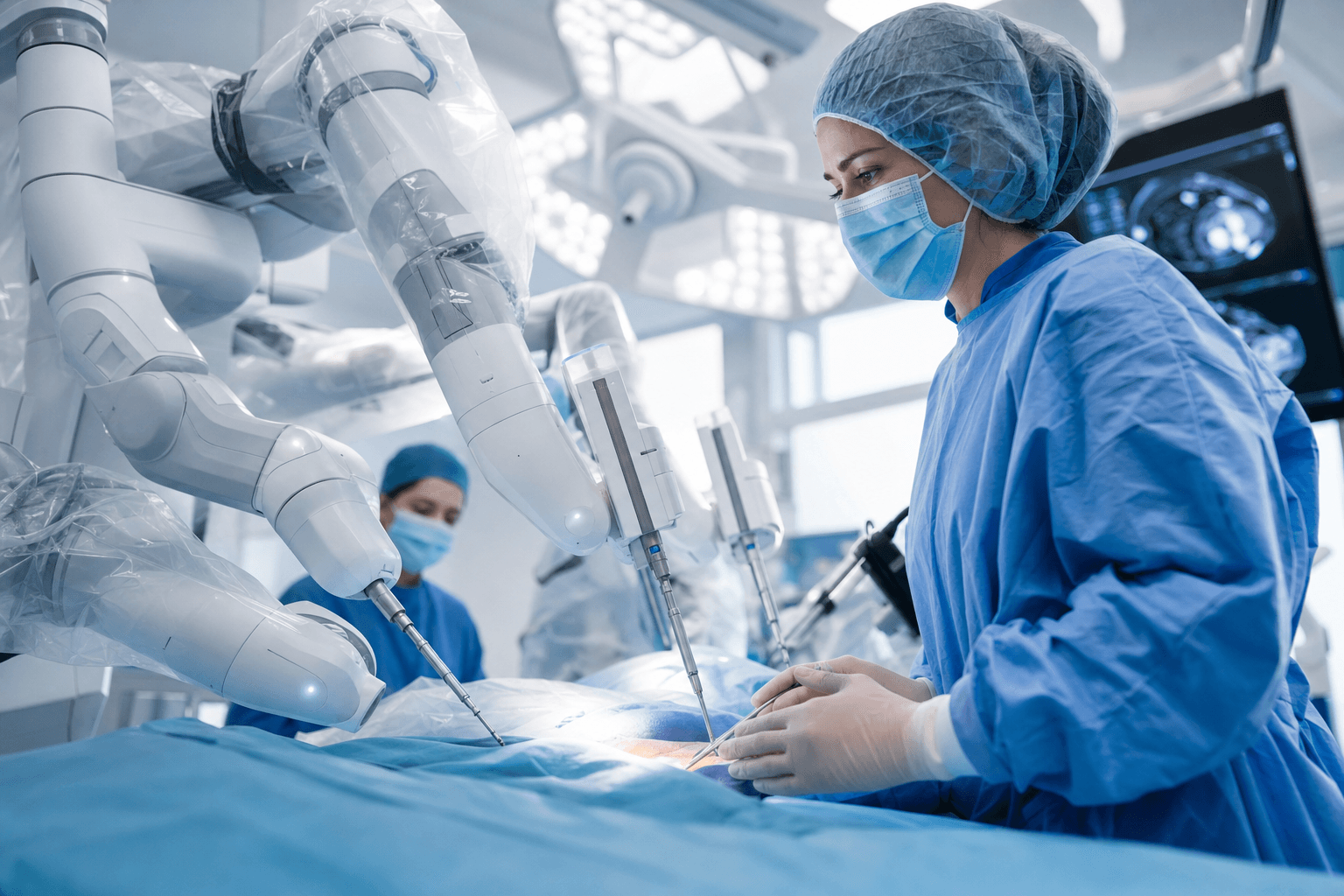
Artificial intelligence is becoming a quiet assistant in healthcare. It can help read scans, flag unusual patterns in test results and handle paperwork so clinicians spend more time with patients. It is important to be realistic here. AI is a support tool, not a decision maker, and it works best when a trained human stays in charge. Used carefully, it can reduce errors and speed up diagnosis.
5. Care that comes to you
The final trend is location. More care is moving out of large hospitals and into clinics, pharmacies and homes. Wearable devices track heart rhythm and sleep. Home testing kits check cholesterol or blood sugar. Recovery after some procedures increasingly happens at home with remote monitoring. This shift can make care more comfortable and, in many cases, safer.
What this means for you
You do not need to chase every new gadget or headline. The most useful thing you can do is stay informed and ask good questions. When a new test, app or treatment is suggested, ask what evidence supports it, what it will cost and how it fits your situation. The future of health is not something that happens to you. It is something you can take part in.
A note on staying grounded
It is easy to be swept up by bold claims. New technology is exciting, but it should always be judged by whether it genuinely helps people live longer, healthier lives. If you are unsure whether a particular innovation is right for you, talk to your doctor or a trusted health professional. They can help you separate what is proven from what is still promising, and apply it to your own needs.
The future of health is being built now, in research labs, clinics and living rooms. By understanding these trends, you can make better choices today and be ready for the opportunities ahead.
Tomorrow's healthcare supports a longer, healthier life. Explore the wider Medtech health ecosystem.